

An AI model agency designs, launches, and manages brand-owned synthetic talent: persona, visual identity, content system, disclosure rules, usage rights, and measurement.
Direct answer
An AI model agency creates and manages synthetic models or virtual influencers for brands. The work includes persona strategy, visual identity, content production, disclosure rules, platform operations, usage rights, and measurement. It differs from influencer marketing because the brand owns the identity system instead of renting attention from outside creators.
What an AI model agency does
The agency turns a brand goal into a usable virtual talent system. That means deciding who the model speaks to, what category role the model plays, what visual world the model belongs to, what the model can say, and what content formats will repeat across social, web, paid media, email, and product launches.
The output should not be only a set of attractive images. A serious AI model agency delivers a model bible, approved visual canon, voice principles, content calendar, disclosure posture, launch assets, operating workflow, and rules for brand safety.
AI model agency vs modeling agency vs influencer agency
A traditional modeling agency represents human talent for shoots, casting, and commercial usage. An influencer marketing agency buys or manages posts from existing creators. An AI model agency builds a new synthetic identity that the brand can use repeatedly, localize, govern, and connect to its own audience strategy.
Common deliverables
Core deliverables include persona design, name and backstory, face and styling consistency, wardrobe rules, camera rules, content pillars, caption voice, product-use guidelines, launch calendar, image and video concepts, disclosure language, approval workflow, and reporting templates.
When this is a fit
AI model agencies make sense when a brand needs consistent visual talent, faster content iteration, a proprietary social character, localized campaign variants, or a safer alternative to depending on creator availability. It is not a fit when the brand wants hidden synthetic media, unapproved likeness use, or a one-off novelty asset with no operating plan.
FAQ
Is an AI model agency the same as an influencer marketing agency?
No. Influencer marketing rents access to existing creators. An AI model agency builds a brand-owned virtual identity, then manages the content system around it.
Does the brand own the AI model?
That depends on the contract, but brand ownership should be clarified before launch. The strongest projects define ownership for the persona, approved assets, account access, content library, and usage rights.
Do AI models need disclosure?
Public synthetic personas and synthetic endorsements should be handled transparently. Disclosure depends on jurisdiction, platform policy, campaign context, and whether there is a paid brand relationship.
Related reading: AI Model Agency for Brands, AI Model Agency vs Influencer Marketing Agency, AI Influencer Disclosure Guide, View the 404 Models portfolio.
Official references: FTC influencer disclosure guidance, EU AI Act transparency rules.
CTA: Start with a feasibility review if your brand needs a synthetic identity it can own, disclose, and operate across channels.
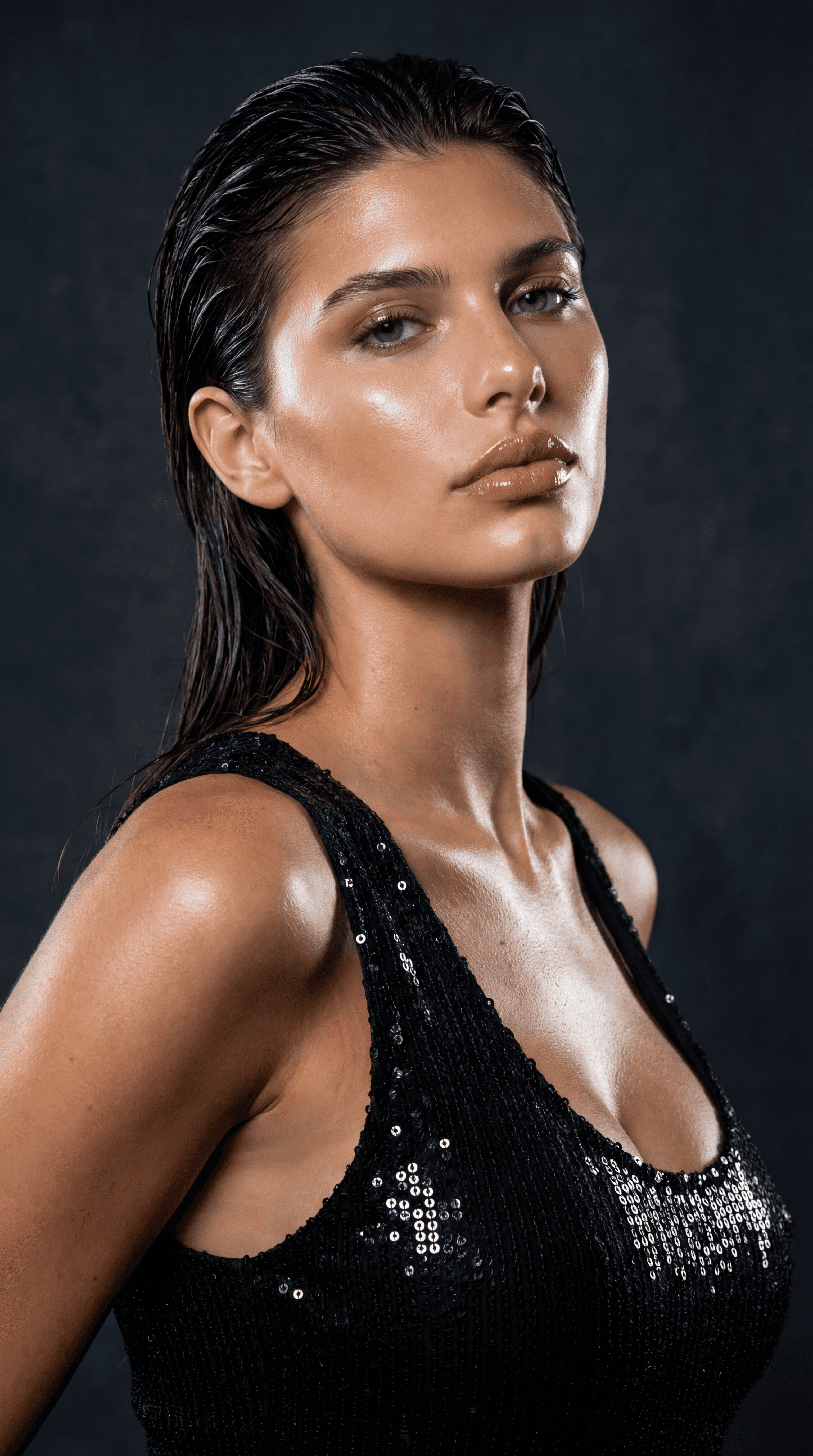

More AI influencer research.
Source-backed guidance on brand-owned AI influencers, synthetic media governance, creative testing, and measurement.